Intel 18A-P Enters Risk Production, But Foundry Proof Still Runs Through Yield
Intel has started risk production of its 18A-P node, adding performance and power claims to its foundry pitch while outside-customer commitments, Arm manufacturing proof and packaging capacity remain the next tests.
Intel Moves 18A-P From Pitch To Early Production
Intel has begun risk production of 18A-P, its most advanced chip node and the next test of whether Intel Foundry can win manufacturing work beyond Intel’s own products.
The company announced the step at the VLSI Symposium in Honolulu, Hawaii, on Tuesday.
The production stage is early, not final qualification.
Intel describes risk production as a phase where data indicates the process will meet customer requirements once qualification is complete.
That distinction matters for foundry customers because a process node has to prove yield, compatibility and delivery discipline before a chip designer commits a major product.
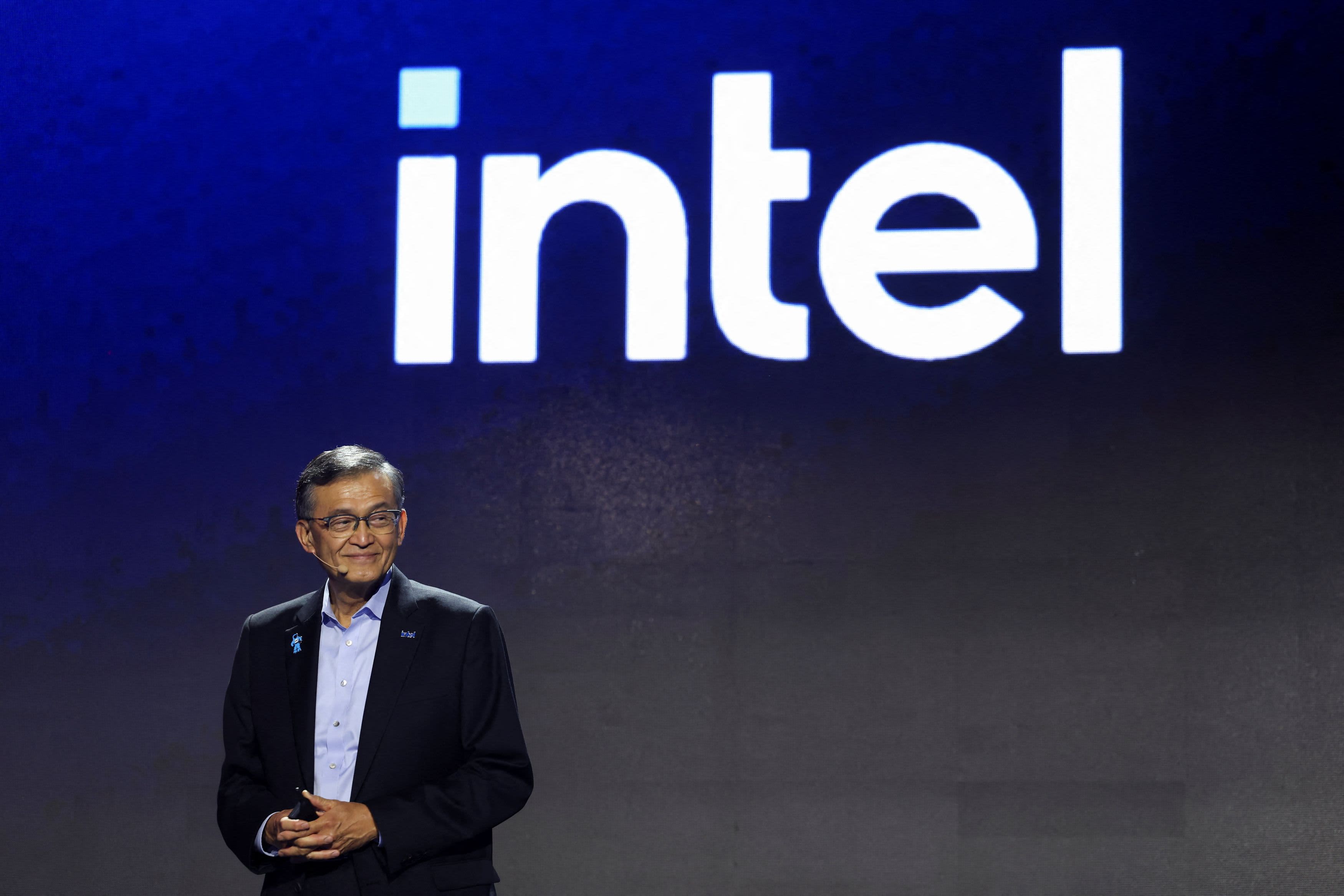
Naga Chandrasekaran, Intel’s foundry head, said the company still has “more work ahead” while calling the update a signal to Intel Foundry customers and partners that Intel remains committed to leading-edge process innovation over the long term.
The message is aimed at customers that have watched Intel try to turn its manufacturing base into a third-party foundry business.
The 18A-P Claim Is About Efficiency, Not Just Naming
Intel puts the 18A-P improvement in two alternative terms: up to 9% more performance, or power use that is 18% lower than 18A.
The company also says the node is at least 20% more heat resistant and fully compatible with existing 18A buildouts.
Those claims give Intel a sharper foundry pitch than the original 18A rollout.
Intel brought 18A to PC chips in January and has been making 18A at volume at its Arizona chip plant since December, but the company has not yet secured a major outside customer.
The new process variant is therefore a more visible proving point for external designs.
The customer timeline is now close enough to test publicly.
Intel CEO Lip-Bu Tan said in May that multiple foundry-customer commitments are expected in the second half of 2026, so 18A-P has to move from technical readiness into customer qualification.
Until those commitments arrive, the node remains a proof point rather than a confirmed external production franchise.
Yield remains the operational test.
Counterpoint Research analyst Neil Shah put yield rate first and said Intel could draw more customers if first-month yield is above 90%.
Apple Interest Does Not Remove The Architecture Gap
The outside-customer question is tied partly to Apple.
Intel shares rose nearly 14% in May on reports that Intel had reached a preliminary deal to make chips for Apple, and chip analyst Ben Bajarin said Apple is likely to wait for 18A-P before making chips there.
A customer win would be important for Intel because the company has presented 18A as part of a turnaround after years of manufacturing missteps and low yields.
Wall Street has already priced in a stronger story: Intel shares are up over 200% this year after rising 84% in 2025.
The U.S. government took a 10% stake in August, and Nvidia followed with a $5 billion investment in September.
The technical barrier is not only node performance.
Shah said Intel’s manufacturing base is centered on x86, while Apple, Google, Amazon and other custom-chip customers build around Arm architecture.
He said Intel has not built Arm chips, while TSMC has mastered that work.
Packaging May Be The First Customer Opening
Intel’s first major external win may come through advanced packaging rather than a full process-node customer.
Advanced packaging connects individual chip dies into larger systems, and Intel’s EMIB technology competes with TSMC’s CoWoS packaging.
That route matters because packaging capacity is a live constraint in AI and high-performance computing supply chains.
Shah said there are packaging bottlenecks at TSMC and described the area as a low-hanging opportunity for Intel.
TSMC is also expanding its own $165 billion chipmaking campus about 50 miles north of Intel’s Arizona plant.
Intel’s next checkpoint is therefore concrete customer qualification for 18A-P, or a packaging customer that shows Intel Foundry can win useful outside work before a full Apple-scale manufacturing commitment arrives.